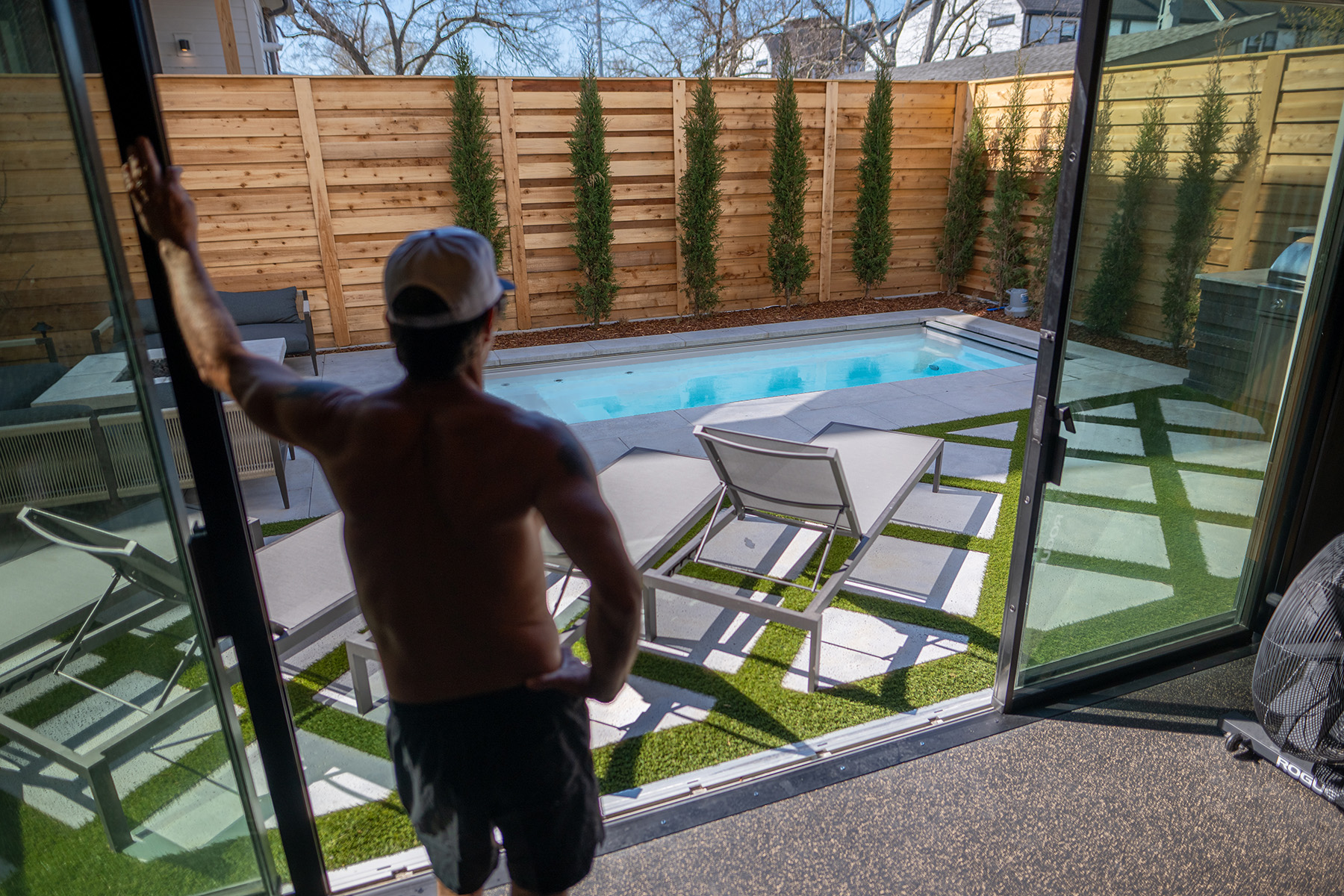
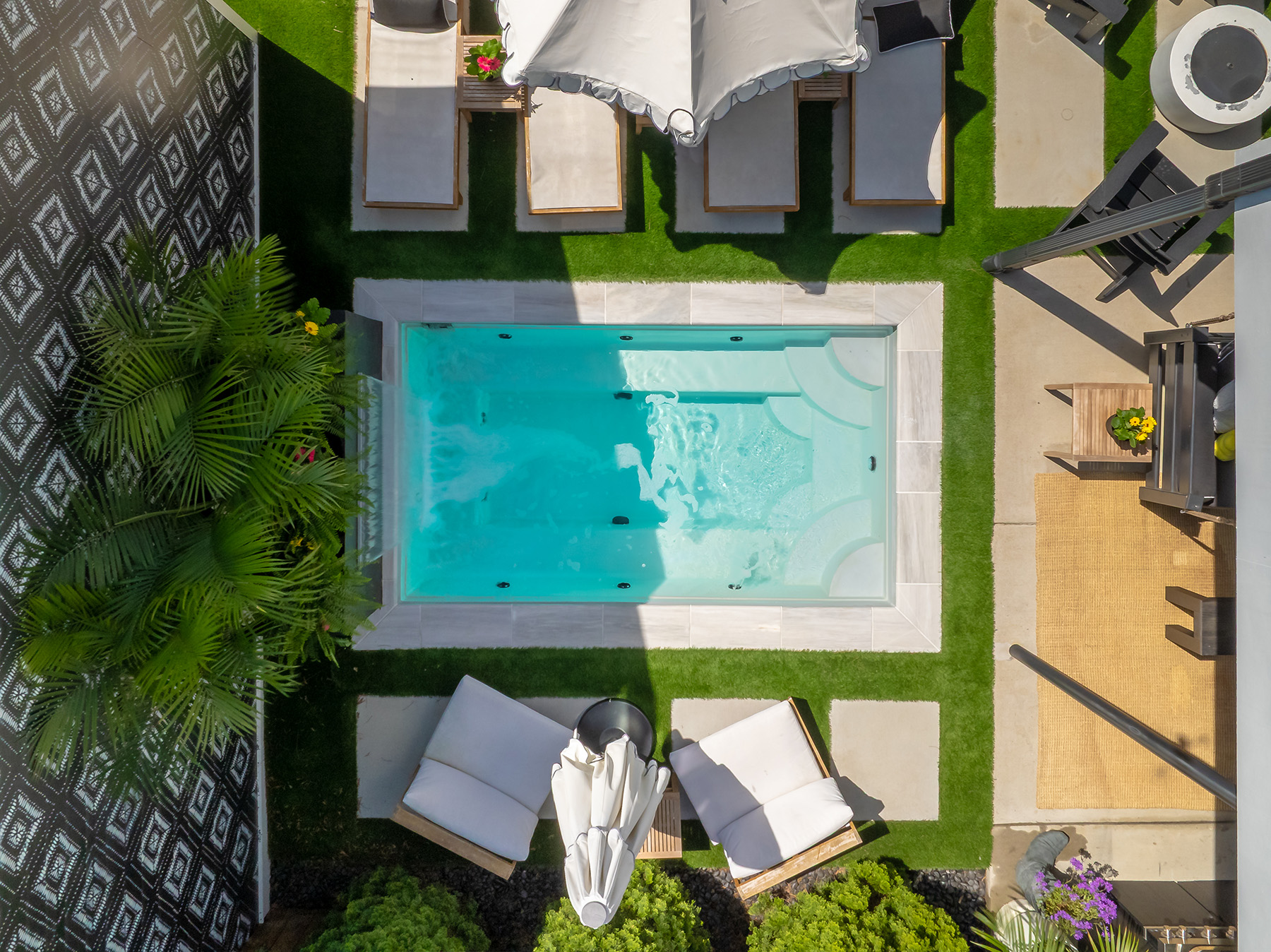
Installing a pool or patio in Nashville, TN? Learn how permeable pavers affect stormwater permits, impervious surface calculations, Metro Nashville regulations, drainage performance, and pool patio installation requirements.
Thinking about putting in a pool or patio in Nashville? You’ve probably heard the term permeable pavers tossed around. Maybe a contractor mentioned them. Maybe you saw something on TikTok. But here’s the thing:
Permeable pavers aren’t just a trend. In Nashville, they can be the difference between a quick permit… and months of stormwater headaches.
Let’s walk through what they are, why they matter, and how they could make or break your pool project.
Let’s start with the basics.
Impervious surfaces don’t let water soak into the ground. When it rains, water runs off — flooding streets, overwhelming storm drains, and carrying pollution into local waterways.
Examples?
Metro Nashville watches these surfaces like a hawk. They limit how much impervious surface you can add before triggering extra requirements (think: rain gardens, engineering plans, and major costs).
Permeable surfaces, on the other hand, let water through. That includes grass, planting beds — and yes, permeable pavers.
You might think: “I’m using pavers. Problem solved.”
Not necessarily.
Most paver patios — including many made with Techo-Bloc or Belgard — are considered impervious. Why?
Because the joints between the pavers are filled with polymeric sand. Once that sand is wetted and cured, it hardens like concrete. Water can’t pass through. It runs off — just like a concrete slab.
If you look closely at a Techo-Bloc paver, you’ll notice small spacer “nubs” on the sides. When laid next to one another, those spacers create a narrow joint — 7 millimeters or .28” wide.
But It’s not just the paver itself. It’s the installation.
A true permeable paver system has:
Result? Rain disappears into the ground instead of running toward your pool or your neighbor’s yard.
1. No Puddles. Ever.
Splash-out from swimmers, afternoon storms — it all drains down. No slippery surfaces. No soggy mornings.
2. Better Runoff Control
Got water draining from a hill, alley, or neighbor’s yard? Permeable patios soak it up instead of becoming a slip-and-slide.
3. Winter Bonus
No water sitting on the surface = fewer ice patches = better winter safety.
1. Slightly Higher Cost
Expect to pay 5–10% more. The deeper base and more labor account for it — and sometimes you’ll need underdrain piping if Metro requires it.
2. Joint Maintenance
Those tiny #8 stones in the joints don’t harden. Over time, a few might pop out. But topping them off is quick and cheap.
3. Go Easy on the Power Washer
Too much pressure can blow out joint stones. A gentler approach (or sealing the surface) helps reduce long-term maintenance.
Let’s say your project includes:
If it’s impervious, Metro counts all 800 sq ft toward your limit.
If the patio is permeable, only the pool counts. You just saved 600 sq ft on your impervious calculations that Metro is looking at — which could be the difference between needing a stormwater mitigation plan or not.
That can mean:
-No engineering review
-No French drains or rain gardens
-Faster permits
-More usable space
For smaller urban lots or HPRs, it’s often the only way to make the project work.
You don’t have to choose between function and beauty.
Our preferred hardscape vendor Techo-Bloc offers the same premium colors, shapes, and textures in both traditional and permeable formats. You get the look you love — just with smarter installation underneath.
Go permeable if:
Stick with traditional if:
In some cases, it’s not a matter of preference — it’s what Metro allows.
At Nashville Dip Pools, we’re not just thinking about how your patio looks on Day One. We’re thinking about:
If you’re planning a pool and want to get ahead of potential impervious headaches, let’s talk. We’ll walk you through what makes sense for your property — and make sure it looks incredible while meeting code.
Reach out to our team for expert help to determine the best dip pool for your situation. We'll talk through your "wants" and "needs" to find what's right for you.
Monday–Saturday: 8 AM to 7 PM. Special appointments available upon request.



Monday–Saturday: 8 AM to 7 PM Special appointments available upon request.