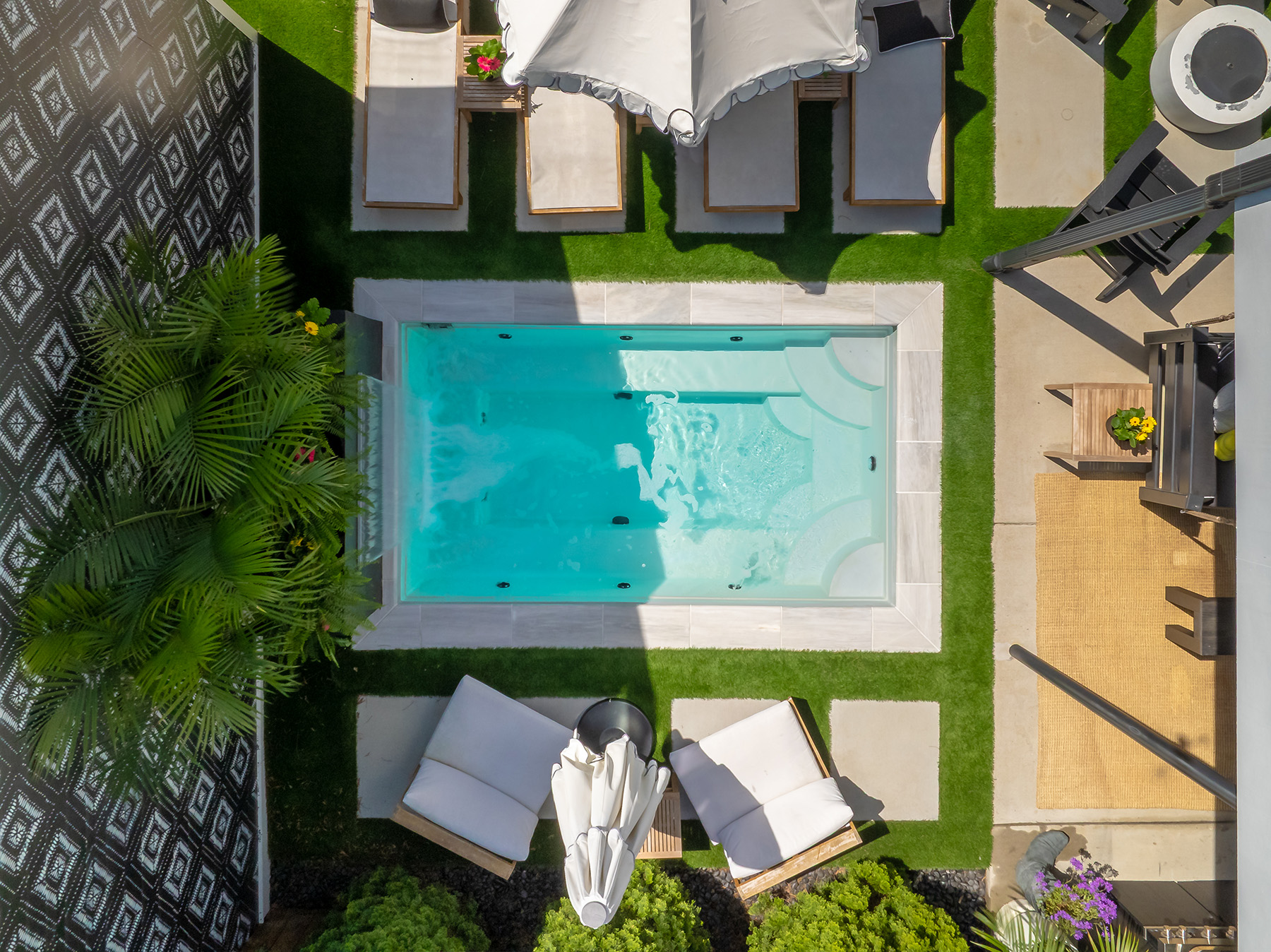
Choosing a pool heater in Middle Tennessee? Learn how evaporation, pool covers, and gas vs electric systems really affect long-term heating costs.
Let’s get straight to it: If you live in Middle Tennessee and you're thinking about heating your pool, the real question is not “Should I use gas or electric?”, it's “Do I really understand what’s going to cost me the most over time?”
Because here’s the truth most homeowners don’t hear: Heating your pool is all about one thing: managing heat loss & evaporation.
You can buy the best heater money can buy. But if your pool’s uncovered and the temp drops to 35°F, you’ll see steam rising and your money floating away with it. That steam? It’s lost heat and lost water. And that means lost dollars.
Let’s talk about how to stop that — and what heating system actually makes sense for you.
Evaporation is the silent thief. It steals your water, spikes your energy bill, and forces your heater to work overtime.
So how do you fight it?
If we could shout this from every pool deck, we would: The cover is more important than the heater.
Here’s what we typically recommend:
● Dip or plunge pool? You have the option of an automatic retractable pool cover or a spa-style foldable cover.
● Larger pool? An automatic retractable cover is your only practical option.
We’ve seen it over and over: install a cover, and suddenly, heating is no longer “expensive.” It's realistic.
These are nice to have. They refill water lost to evaporation — but they don’t save you any heat. Think of them as a sidekick, not the hero. Most importantly, if your pool builder doesn’t build the backflow to be used year-round, your autofill won’t work in the brutal winter months when you need it most. Now you’re filling your pool with a hose while it’s 35 degrees outside.
Here’s where most people get stuck. Not because the options are confusing but because no one explains it based on how you actually use your pool.
1. Best for: Cold-weather use, large pools, year-round spas
· Typical install cost: $7,000 – $10,000
· Powerful, fast, and dependable, but higher ongoing costs.
Our take? If you want to heat in winter or you’ve got a big spa/pool combo, gas is worth it.
2. Electric In-Line Heaters
· Best for: Small pools under ~3,000 gallons, standalone spas
· Typical install cost: $3,000 – $6,000
· Must have a cover or the heater can’t keep up
Think of these like a hot tub setup — simple, compact, efficient in the right scenario.
3. Heat Pump + Chiller Combos
· Best for: Spring/fall heating, summer cooling, homes without gas
· Typical install cost: $7,000 – $10,000
· Doesn’t work in freezing temps
Great for those who want comfort in shoulder seasons but not built for January spa nights.
How You Use Your Pool: Best Heating Option
Year-round spa or plunge: Gas or Electric In-Line
Large pool + spa combo: Gas
Seasonal pool, extended use: Heat Pump + Chiller
Summer cooling: Heat Pump + Chiller
No gas service?: Electric or Heat Pump + Chiller
Want the ultimate setup? Combine an automatic retractable cover, auto-fill system, gas heater, and a heat pump chiller. Now you’re ready to swim whenever you want at the perfect temp: spring, summer, fall, or winter.
This isn’t about choosing the “best” heater. It’s about designing the right system for how you actually use your pool.
When done right, your setup works with you, not against you.
Reach out to our team for expert help to determine the best dip pool for your situation. We'll talk through your "wants" and "needs" to find what's right for you.
Monday–Saturday: 8 AM to 7 PM. Special appointments available upon request.



Monday–Saturday: 8 AM to 7 PM Special appointments available upon request.

.jpg)